2023 American Society for Engineering Education (ASEE) Midwest Section Conference

PowerPoint
presentation
design
development
research
Author

Me, Jacob Holmes, Brandon Crisel

Published

September 12, 2023

This post contains a presentation given at an engineering education conference outlining the beginning phases of an ongoing research and curriculum development project within the University of Arkansas College of Engineering.

During the Summer of 2023, I conducted undergraduate research with my research partner and faculty advisor of the Biggadike ePortfolio Research Team, and we were accepted by ASEE to present our research findings and curriculum development at the Midwest Section Conference attended by universities in the ASEE Midwest Section as well as industry representatives. The theme of this conference was “Workforce Readiness: Preparing STEM Graduates for the Jobs of Today and Tomorrow.” Our research and curriculum development is based on electronic portfolio creation software using a markdown language to output HTML documents enabling Industrial Engineering students in the University of Arkansas College of Engineering to leverage their skills for improved career development.
The presentation given by the Biggadike ePortfolio Research Team can be found below with a brief explanation succeeding each slide.

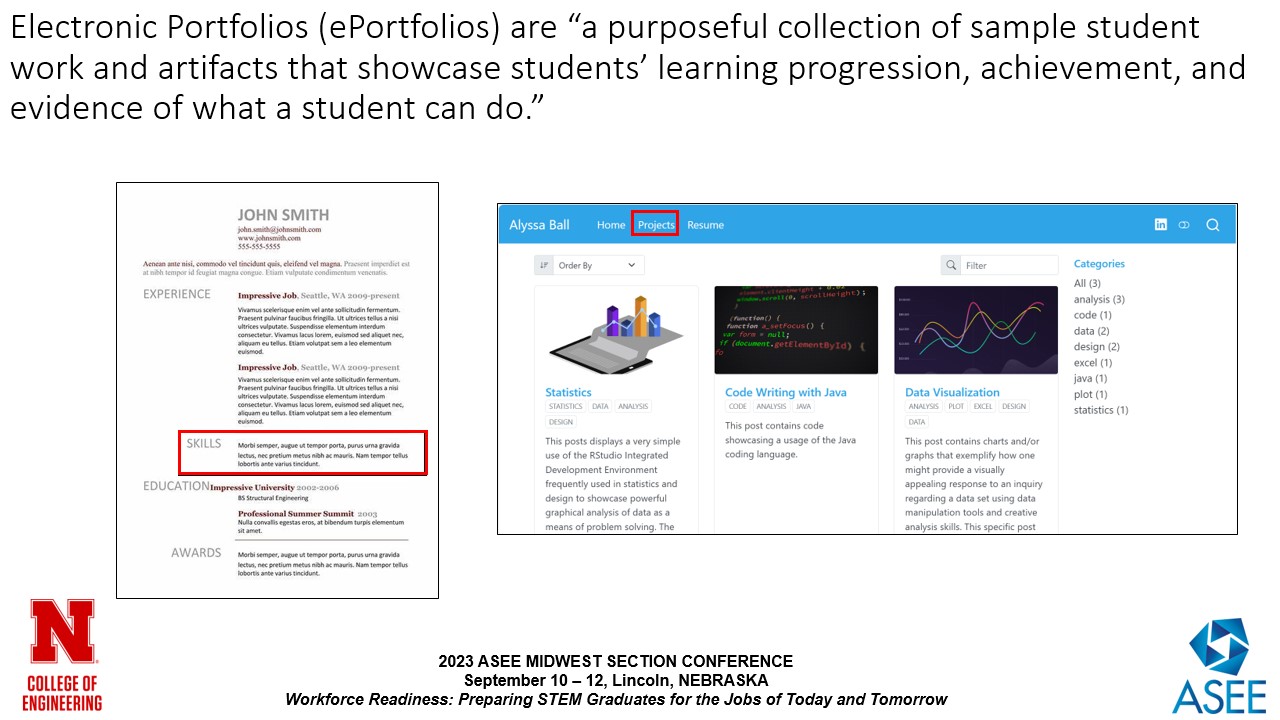
Our team began our presentation by defining what an electronic portfolio (ePortfolio) is for our audience. We explained the difference between a portfolio and a resume and how this would help students in their ability to compete with other candidates for jobs and/or internships. By highlighting key components that a personal showcase portfolio website has that a resume does not, we were able to get our audience engaged with our topic and excited to hear what we were able to find.

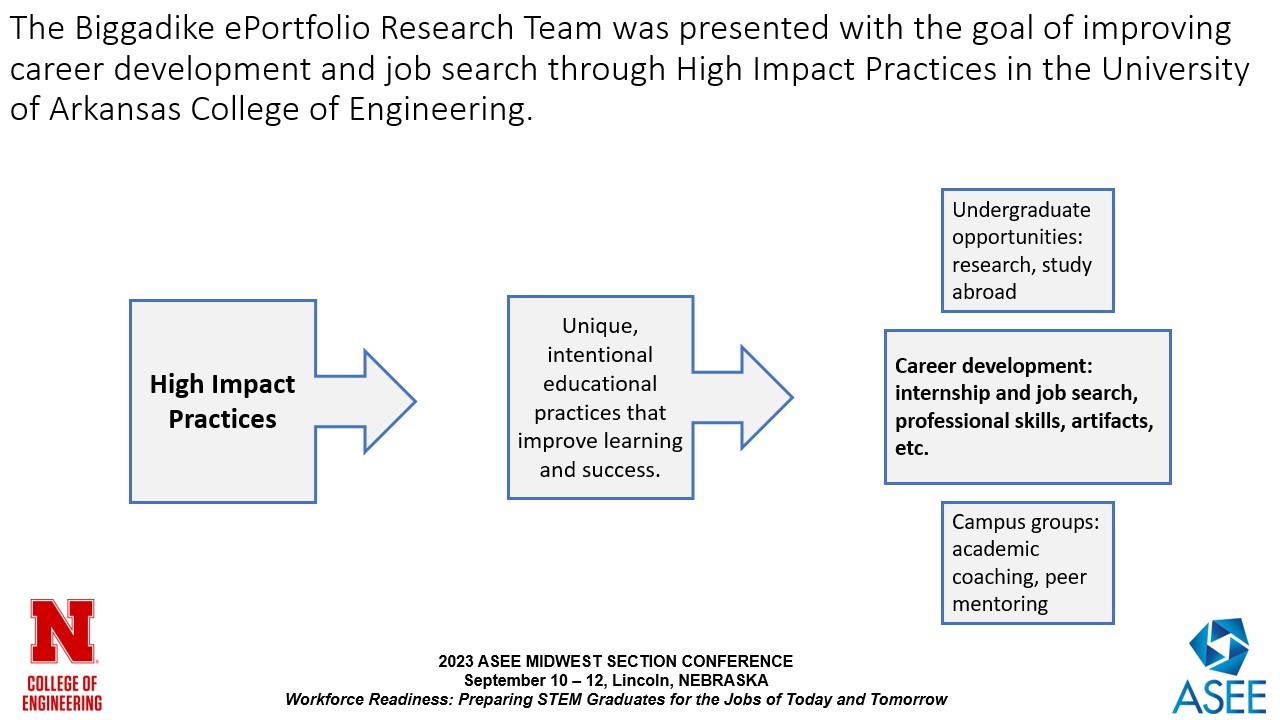
The College of Engineering goes to great lengths to ensure that students are presented with opportunities to find internship and career opportunities through career fairs, meet-and-greets, online resources, etc. The university is always looking for ways to improve career development for students and give them as many tools as possible to portray themselves adeptly in the workforce. Our team was presented with this goal and the most effective way to achieve this goal seemed to be through High Impact Practices (HIPs). HIPs are known to significantly enhance student engagement and success, and we are confident that this project will do the same.

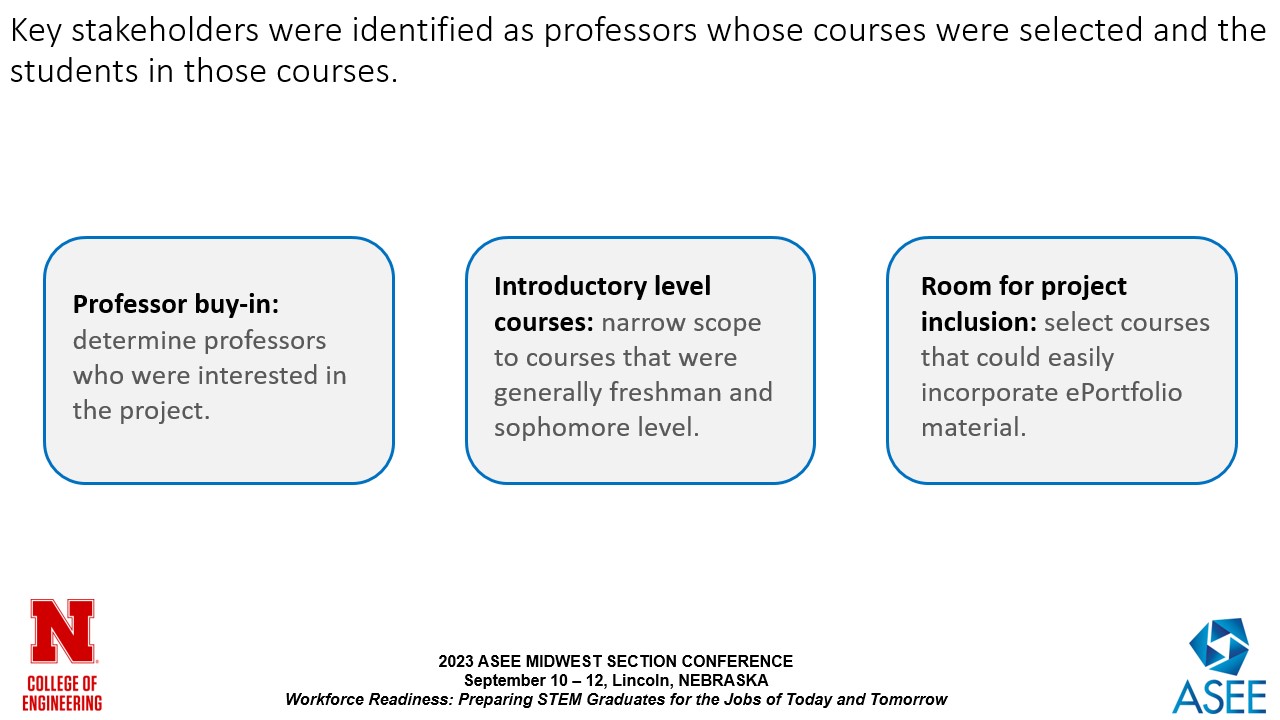
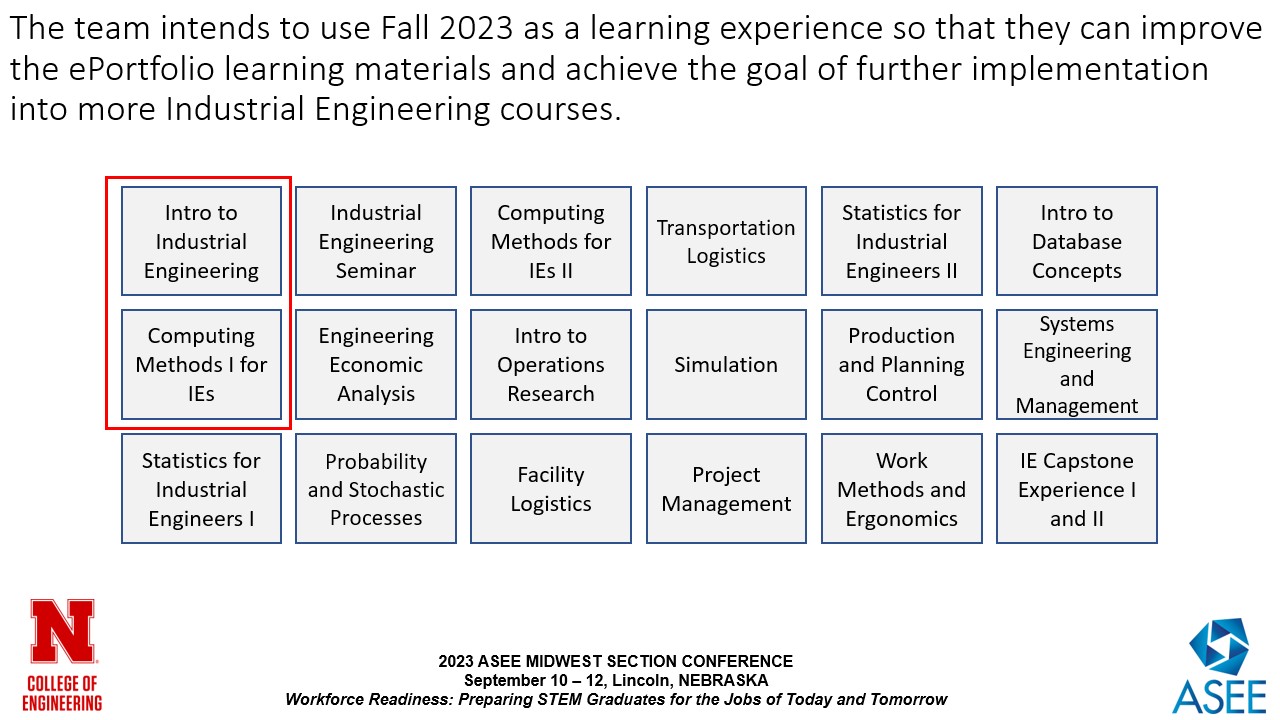
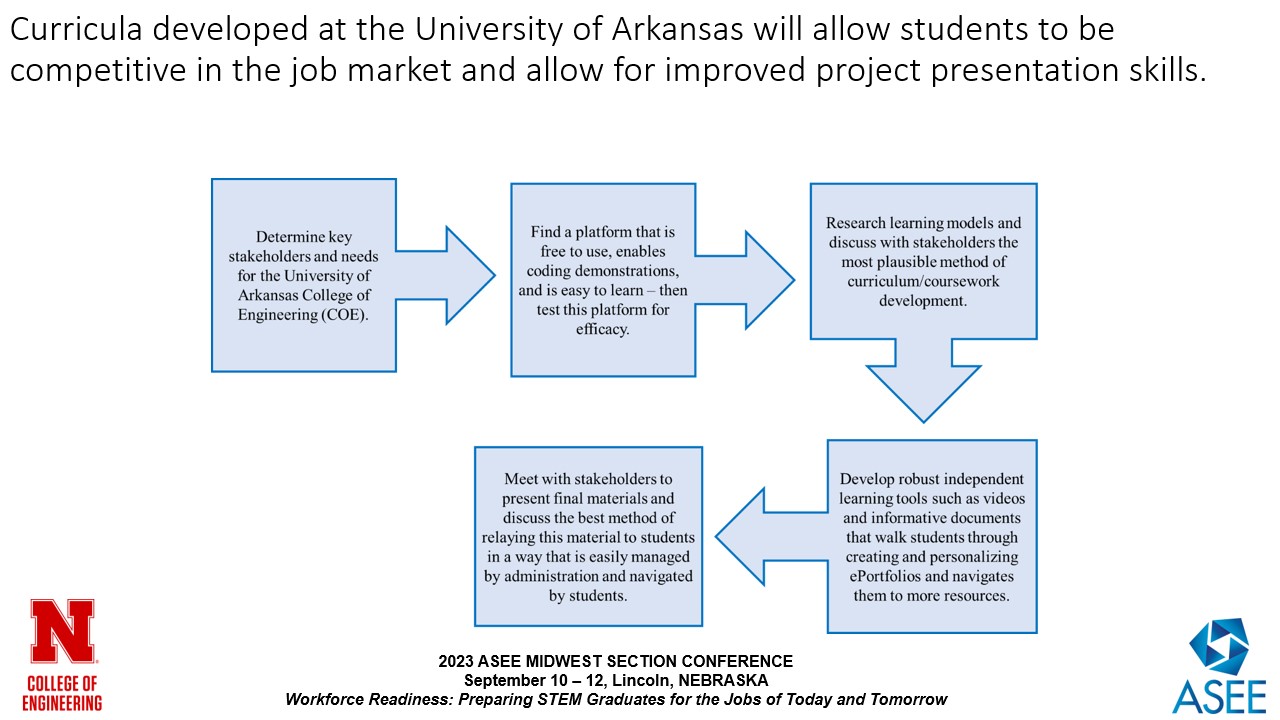
We identified project stakeholders after determining which courses we would implement the first revision of the project into. The chosen courses are two sophomore level Industrial Engineering courses and one freshman First-Year Engineering Program course: Introduction to Industrial Engineering, Computing Methods 1 for Industrial Engineering, and Freshman Honors Research General Engineering. The stakeholders of the project were then defined as the students taking these courses and the professors who teach these courses - so every action we took was with their interest and benefit in mind.

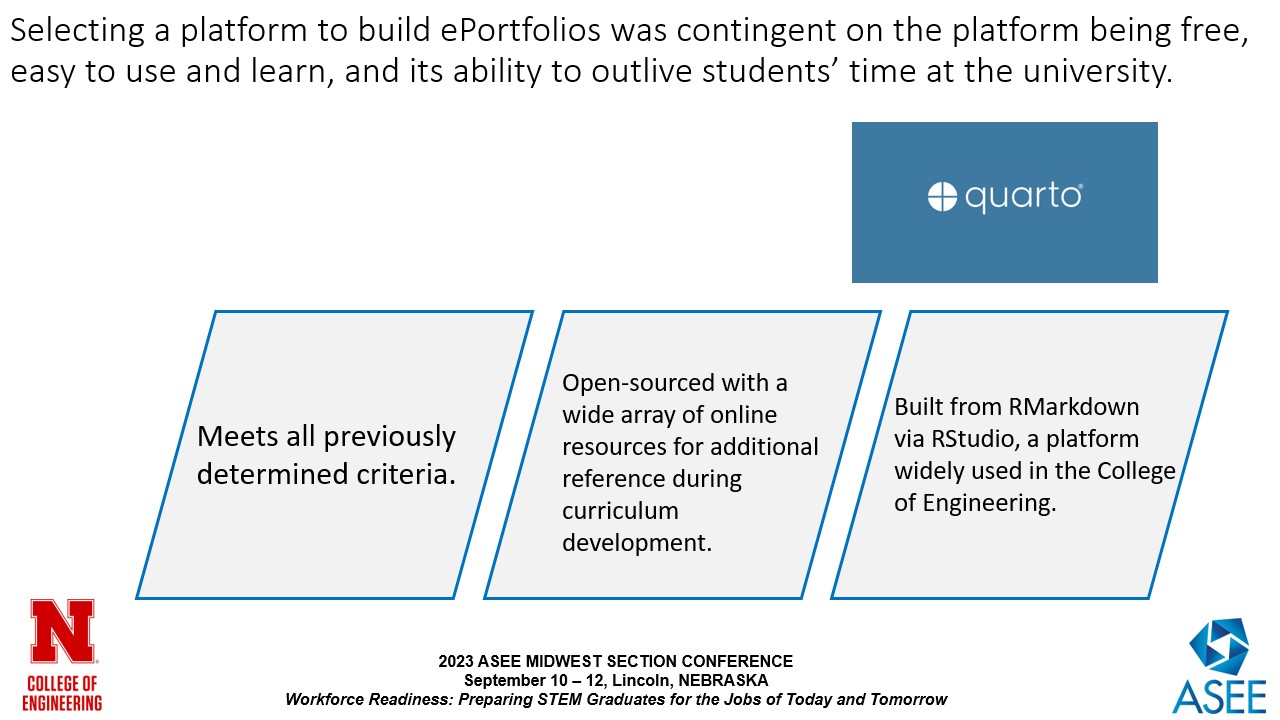
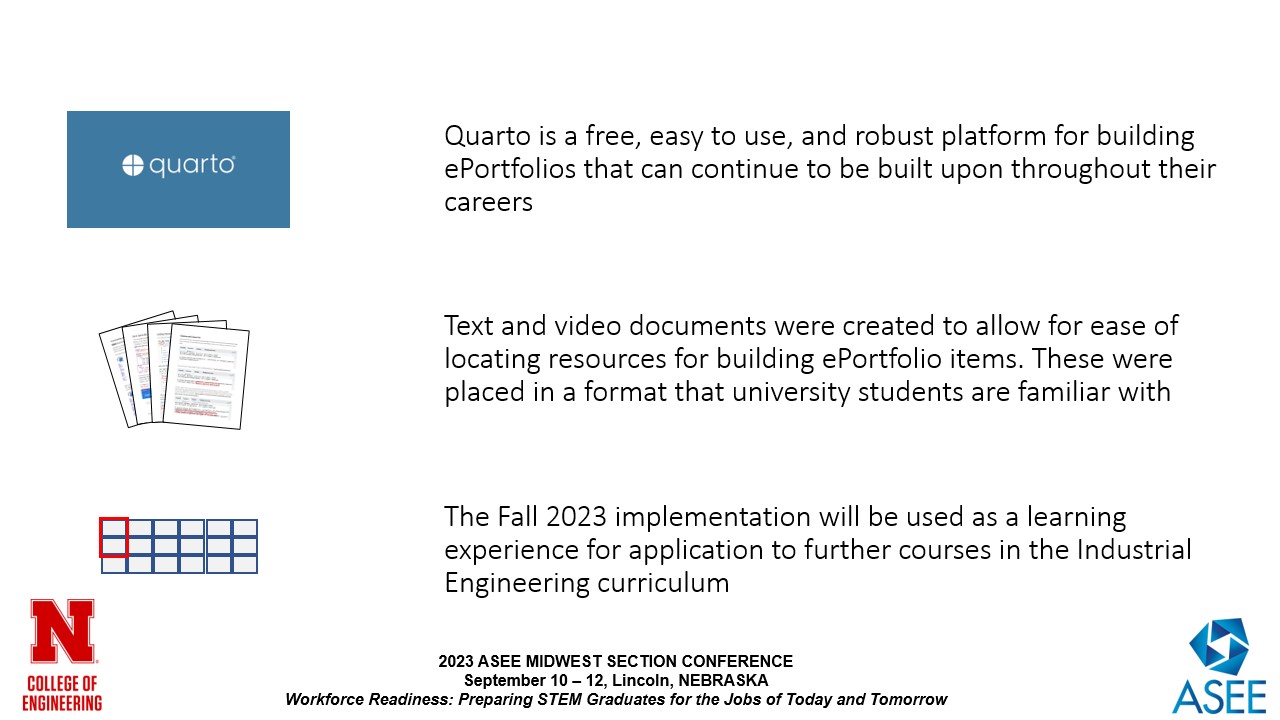
As we began searching for a platform to develop curriculum around, we first identified the criteria we wanted the platform to meet. WordPress is a platform frequently used by the university, but it requires a license and/or payment, meaning students would no longer have access to the program post graduation. WordPress is also template based, and we wanted a portfolio software that was more specific to an engineering student, meaning they were able to code the website themselves and display that type of knowledge inherently with the existence of the website. Other platforms were also tested, such as Jekyll, but these ended up requiring learning new programming languages. We knew that we did not want students to have to learn a brand new coding language on top of the coding they already learn in their undergraduate coursework as this is already fairly thorough. The finalized criteria for platform selection ended up being that the platform was free, easy to use and learn, could display and run codeblocks, was available to students after they leave the university, and utilized a programming language that students already learn during their undergraduate career. This is why we ended up selecting Quarto, which was made by Posit, the same company who made RStudio - the integrated development environment (IDE) used to write in the R programming language.

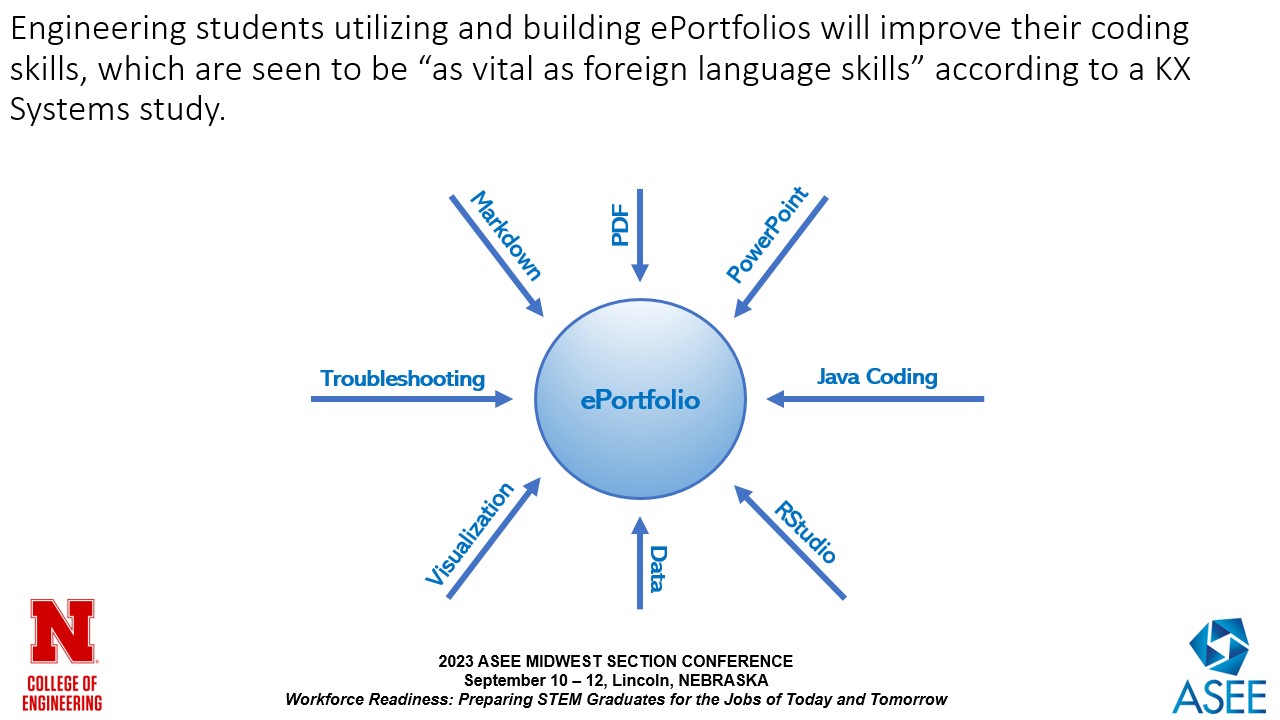
Studies have shown that students view coding skills as vital of foreign language skills, but approximately half of the student population entering college in the past 5-10 years has little-to-no coding experience. Bearing this information in mind as we began the process of developing the project’s curriculum, we knew that we needed all materials to be extremely robust and be accessible to students with a lot of coding experience as well as students with absolutely no coding experience. Not only will students learn skills needed to create their website, but they will also develop all of the skills (and more) shown in the figure on the slide below.

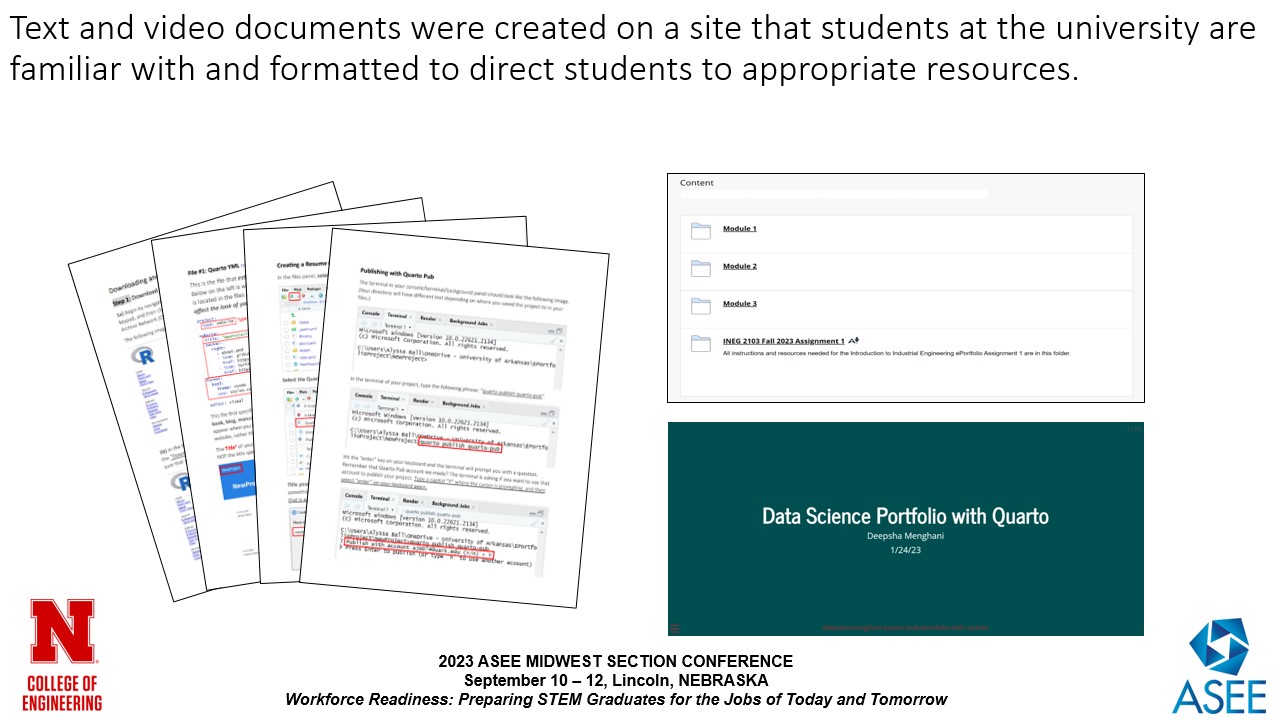
On the slide above you can see some of the text documents that we created. While this is only a small sample, you can tell that these pages are quite thorough. We created dozens of text documents accompanied by video content walking students through the portfolio creation software followed by documents offering them resources to further personalize their website.

Fall 2023 is our first implementation of the materials into the selected courses. I am an Undergraduate Teaching Assistant for the Introduction to Industrial Engineering course where the very first implementation is occurring, and I am acting as a readily available resource to students as they progress through project materials. The team will use this semester as a learning experience to improve and expand the content as needed so that we are able to further implement this coursework and the Industrial Engineering Department.

Studies have shown that employers for STEM and healthcare graduates prefer portfolios to resume during the hiring process for prospective employees. A study done by Clemson University shows that approximately 80% of hiring managers and human resources personnel surveyed described the use of portfolios in the hiring process as efficient, transparent, assuring, and more. Employers are excited about the opportunity to know exactly what they are getting themselves into when hiring a candidate and the ability to see candidate experience prior to second or even third round of interviews.

In summary, the university met with industry contacts and partners to determine the want/need for portfolios from STEM graduates as they merge their college and industry careers. We determined that we would use a High Impact Practice called ePortfolios to leverage engineering students’ skills and improve their career development. We researched software, met with stakeholder, and developed curriculum that we believe will greatly impact students within the University of Arkansas College of Engineering. After the Fall 2023 semester, we hope to implement this curriculum into more Industrial Engineering courses and facilitate the addition of projects and skills into these websites throughout students’ undergraduate careers.

Find references above.